
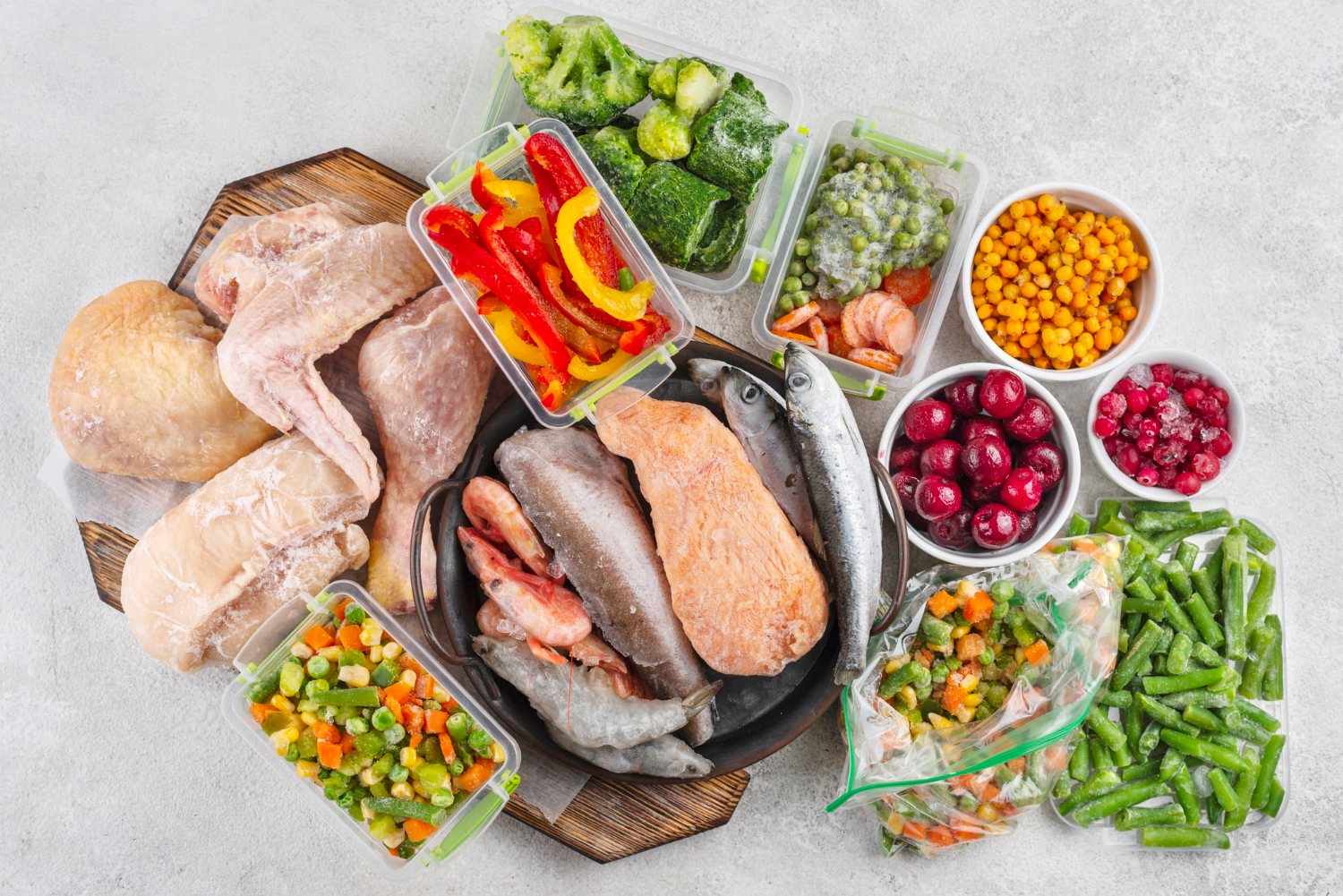
Your freezer can do a lot more than hold ice cream and frozen vegetables.
Used properly, it can help you take advantage of sales, save leftovers, prevent food from going bad and make groceries you already paid for stretch further.
The trick is knowing what is actually worth freezing and remembering to use what’s in there.
A freezer full of forgotten food isn’t saving you money.
A freezer that’s part of your grocery routine can.
Freeze Food Before It Becomes a Problem
One of the biggest mistakes is waiting too long.
You notice the chicken has been sitting in the refrigerator for a few days, but you keep telling yourself you’ll cook it tomorrow.
Then tomorrow comes, and you don’t feel like cooking.
Now you’re wondering whether it’s still good.
If you know you aren’t going to use something soon, deal with it while it’s still in good condition.
Cook it.
Freeze it.
Or divide it into portions and freeze what you won’t need.
Don’t wait until the food is already on the edge of being wasted.
Use the Freezer for Sale Items You Already Buy
This is where the freezer can really help your grocery budget.
If chicken is on sale and you know your household eats it regularly, buying extra can make sense if you have room to store it.
The same goes for other freezer-friendly foods.
But there’s an important rule:
Only stock up on foods you already know you’ll use.
A cheap package of meat isn’t a bargain if it stays buried in the freezer for a year.
Divide Large Packages
You don’t always have to use a family-size package all at once.
If a larger package is cheaper per pound, divide it when you get home.
Separate meat into meal-sized portions.
Freeze what you won’t use right away.
This gives you the lower price of buying a larger package without requiring you to cook everything at once.
It also makes future meals easier.
You can pull out exactly what you need instead of thawing the entire package.
Label What You Freeze
This sounds like a small thing.
It isn’t.
A mystery package of frozen food is surprisingly easy to ignore.
Label packages with what they contain and the date you froze them.
You don’t need fancy labels.
A piece of masking tape and a marker works.
Something as simple as:
Chicken breasts — Aug. 24
is enough to tell you what you’re looking at later.
Don’t Forget About Portions
Freezing an entire pot of soup in one giant container isn’t always the most useful approach.
Smaller portions can be much easier to use.
Freeze individual or meal-sized portions of things like:
- Soup
- Chili
- Cooked meat
- Pasta sauce
- Casseroles
- Cooked beans
- Broth
Then you can thaw only what you need.
That’s especially useful for lunches and quick dinners.
Freeze Leftovers Before You’re Tired of Them
There’s nothing wrong with eating leftovers.
But sometimes you know your family isn’t going to eat the same meal four nights in a row.
Instead of letting the leftovers sit in the refrigerator until they’re forgotten, freeze some of them while they’re still fresh.
Now you have another meal waiting for a future week.
This also keeps you from throwing away food simply because everyone got tired of eating it.
Bread Is a Good Freezer Candidate
Bread is one of those foods that’s easy to waste.
You buy a loaf.
Use half.
Then suddenly it’s stale.
If your household doesn’t go through bread quickly, freezing it can help.
You can freeze slices and take out what you need.
That can be much better than buying smaller loaves repeatedly or throwing away the unused portion.
Freeze Extra Produce When It Makes Sense
Some fruits and vegetables freeze well, although preparation varies.
For example, berries can be frozen for later use.
Bananas can be frozen for smoothies or baking.
Some vegetables can be frozen after appropriate preparation.
You don’t have to freeze every piece of produce you buy.
The idea is to rescue food you’re unlikely to use in time.
If you know those bananas aren’t going to get eaten, freezing them is a lot better than letting them turn into something nobody wants.
Don’t Freeze Everything Just Because You Can
The freezer isn’t a magic time machine.
Some foods don’t freeze particularly well, especially foods where texture is important.
Before freezing something, consider whether you’ll actually enjoy it after it thaws.
You also don’t want to fill your freezer with food you don’t have a plan for.
The goal is to preserve useful food—not create a frozen version of the clutter in your pantry.
Keep an Inventory
You don’t need a complicated spreadsheet.
A simple list on your phone can work.
For example:
Freezer
- 2 portions chicken
- 1 container chili
- 1 bag frozen broccoli
- 2 portions cooked rice
- 1 loaf bread
Update it when you use something.
This prevents the classic problem of buying more chicken because you forgot there were three packages buried underneath everything else.
Use the Oldest Food First
A freezer can hide food for a very long time.
That’s why it’s useful to put newer items toward the back and older items toward the front.
When you add something new, don’t just throw it on top.
Move the older food forward.
This is essentially the same system grocery stores use when rotating inventory.
You want to eat the older items before they become forgotten items.
Have a “Freezer First” Week
Every so often, make your freezer the starting point for your grocery list.
Instead of asking, “What do I want to buy this week?”
Ask:
“What do I already have in the freezer?”
Maybe there’s chicken.
Maybe there’s soup.
Maybe there are vegetables and a package of ground beef.
Build a few meals around those foods.
Then buy only the missing ingredients.
You may be surprised by how much you can skip at the store.
Freeze Ingredients, Not Just Finished Meals
People often think about freezing leftovers.
But individual ingredients can be just as useful.
You can freeze things like:
- Bread
- Meat
- Certain fruits
- Certain vegetables
- Herbs
- Broth
- Shredded cheese
- Cooked beans
- Tomato paste
That gives you ingredients you can pull out when you’re cooking instead of forcing you to eat an entire prepared meal.
Freeze in Useful Amounts
Think about how you’ll use the food later.
If a recipe usually calls for one cup of cooked beans, freezing beans in one-cup portions makes sense.
If your household uses half a loaf of bread per week, don’t freeze everything in one giant block if you can avoid it.
The easier the food is to use, the more likely you actually will.
Don’t Forget About Freezer Space
A freezer has a limit.
If you keep buying sale items without using what you already have, you’ll eventually run out of room.
Then you’ll have to dig through everything to find what you need.
That’s when food gets forgotten.
A full freezer isn’t necessarily a good freezer.
Leave enough space to organize it and actually see what you have.
Watch for Freezer Burn
Freezer burn doesn’t necessarily mean food is unsafe, but it can hurt quality.
Good packaging helps protect food from air exposure.
Use freezer-appropriate bags or containers and remove as much excess air as practical.
For foods you’re storing longer, proper packaging becomes even more important.
The goal is to preserve the food in a condition you’ll actually want to eat later.
Don’t Let the Freezer Become a Parking Lot
This is probably the biggest freezer mistake.
You freeze something because you don’t want to waste it.
Then you forget about it.
Then you freeze more things.
Eventually, the freezer becomes a collection of unidentified packages from several months ago.
The solution is simple:
Use what you freeze.
Make freezer meals part of your regular meal planning.
If you haven’t looked through the freezer in weeks, that’s a sign it’s time.
Use the Freezer to Make Busy Nights Cheaper
One of the best benefits of freezing food is having something ready when you don’t feel like cooking.
A homemade frozen meal can keep you from ordering takeout.
A frozen portion of soup can become an easy lunch.
Cooked chicken can turn into a quick dinner.
Frozen bread means you don’t have to make an emergency grocery run.
Convenience doesn’t always have to come from the grocery store.
Sometimes you can create it yourself.
Be Smart About Stocking Up
Stocking up is only useful when three things are true:
- The price is genuinely good.
- You already use the product regularly.
- You have the space to store it properly.
If all three apply, the freezer can help you buy at a lower price and use the food over time.
If one of those is missing, you’re better off buying less.
Use Your Freezer Before Going Shopping
This should become part of your regular grocery routine.
Before making your list, check the freezer.
See what’s there.
Look for anything that should be used soon.
Then build a few meals around those items.
You may still need to buy fresh ingredients, but you’ll be starting with food you already own.
That’s a simple way to lower the amount you need to buy.
The Freezer Is a Tool, Not a Storage Strategy
You don’t save money simply by freezing food.
You save money by using the freezer strategically.
Buy sale items you already eat.
Divide large packages.
Freeze leftovers before they go bad.
Keep portions manageable.
Label everything.
Rotate older food forward.
And actually plan meals around what’s in there.
Done right, your freezer can help you buy groceries when they’re cheaper, preserve food before it becomes waste and keep inexpensive meals available when you need them.
You don’t need a perfectly organized freezer.
You just need to know what’s in it and make a habit of using it.
Because one of the best grocery deals isn’t always the food that’s cheapest today.
Sometimes it’s the food you bought at a good price weeks ago that’s already waiting for you at home.