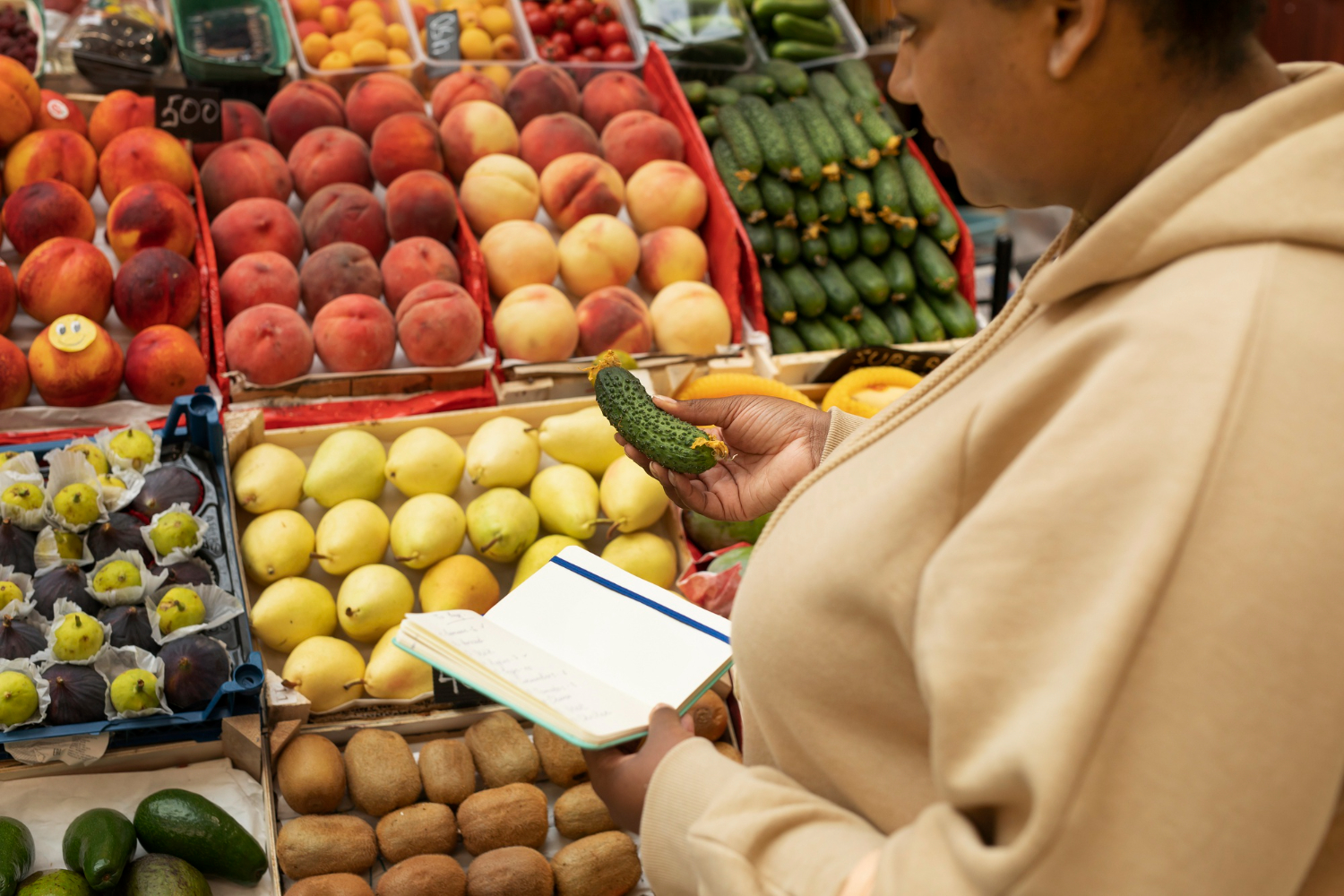
A grocery list isn’t just there to remind you to buy milk.
It can also keep you from spending money on things you didn’t plan to buy in the first place.
Walking into a grocery store without a list makes it incredibly easy to start adding things to the cart.
A snack looks good.
There’s a sale on cereal.
You remember that you haven’t had cookies in a while.
Then you get to the checkout and wonder how a quick grocery trip turned into a $140 receipt.
A good grocery list gives you something to follow before all those distractions start.
Make the List Before You Get to the Store
The best time to make your grocery list is at home.
Once you’re inside the store, you’re surrounded by signs, displays and products designed to get your attention.
At home, you can look at what you already have and decide what you actually need.
Check the refrigerator.
Look in the freezer.
Take a quick look through the pantry.
Then make your list.
You’re starting with your own needs instead of the store’s suggestions.
Build the List Around Meals
A random list of ingredients isn’t always enough.
You might write down chicken, rice, tomatoes and cheese without thinking about how they fit together.
Then you get to the store and start adding other things because you don’t have a clear plan.
Instead, think about a few meals you’ll actually make.
If you know you’re making tacos, you know what you need.
If you’re making pasta, you know what needs to go in the cart.
This gives every item on your list a purpose.
Check What You Already Have First
This is one of the easiest ways to keep the list smaller.
Before adding something, check whether you already have it.
You may have two cans of beans sitting in the pantry.
There’s no need to buy four more just because they’re on sale.
You might already have enough rice for several meals.
Maybe there’s chicken in the freezer that needs to be used.
A grocery list works much better when it’s based on what you actually need—not what you vaguely remember running low on.
Separate “Need” From “Want”
There’s nothing wrong with buying things you want.
The problem is when you don’t realize how many wants you’re adding to the cart.
Try dividing your list mentally into two groups.
Need: the foods and household items you planned to buy.
Want: anything extra that catches your attention.
This doesn’t mean you can never buy the second group.
It just makes you stop and decide.
That little pause can prevent a lot of unnecessary spending.
Don’t Add Something Just Because It’s on Sale
A sale can make almost anything feel like a smart purchase.
But if you weren’t planning to buy it, you’re still spending money.
Suppose crackers are normally $4 and they’re marked down to $2.
You didn’t save $2.
You spent $2.
If you were already going to buy crackers, that’s a useful discount.
If you weren’t, the sale created a new expense.
That’s an important distinction when you’re trying to keep a grocery budget under control.
Give Yourself a Small Amount of Flexibility
I don’t think your list needs to be a set of rules you can never break.
Grocery shopping doesn’t have to be that rigid.
Leave a little room for something you want.
Maybe you decide that you’re allowed one unplanned item.
Or you give yourself $5 to spend on whatever looks good.
Now you can enjoy some flexibility without letting every impulse become part of the grocery bill.
The problem isn’t buying an extra item.
The problem is buying ten.
Write Down Specific Products When It Matters
A vague list can make impulse spending easier.
“Snacks” can turn into chips, crackers, cookies and three different kinds of granola bars.
“Breakfast food” can turn into cereal, muffins, frozen waffles and pastries.
Be more specific when you’re trying to control spending.
Instead of writing “snacks,” write “one bag of popcorn.”
Instead of “cereal,” write the specific cereal or type you need.
The more specific the list, the fewer decisions you have to make in the aisle.
Check Your List Before Putting Something in the Cart
This is a simple habit that can make a difference.
Before adding something you weren’t planning to buy, ask:
“Is this on my list?”
If it is, put it in the cart.
If it isn’t, stop for a second.
You can still buy it.
But now you’re making a decision instead of automatically reacting to whatever caught your eye.
Watch the Endcaps
Some of the easiest impulse purchases are placed where you can’t miss them.
Endcaps, checkout areas and displays near the entrance are designed to catch your attention.
You don’t have to avoid them completely.
Just remember that a display isn’t a recommendation.
It’s an invitation to buy something.
Your list is there to remind you what you actually came for.
Don’t Shop Hungry
A grocery list helps, but it’s not magic.
Shopping while you’re hungry can make every snack look like a necessity.
Suddenly the bakery smells incredible.
The prepared foods look like dinner.
And somehow you’re holding a package of cookies you never intended to buy.
If possible, eat something before shopping.
It doesn’t have to be a full meal.
Even a small snack can make it easier to stick to what you planned.
Use a Running List During the Week
Don’t wait until you’re walking out the door to remember what you’re missing.
Keep a grocery list on your phone throughout the week.
When you finish something, add it.
When you notice you’re getting low, add it.
Then your shopping list is already mostly done when grocery day arrives.
This also prevents the opposite problem: buying extra because you’re afraid you’ll forget something.
Set a Budget Before You Leave
Your list tells you what you’re buying.
A budget tells you how much you’re willing to spend.
You don’t need to calculate the exact total down to the penny.
But having a number in mind can make you more aware when the cart starts getting full.
If you’ve planned to spend $80 and you’re already at $95 before reaching the checkout, that’s a signal to look through the cart again.
You may find several things that can wait.
Keep a List for Non-Food Items Too
Impulse spending isn’t limited to food.
Grocery stores sell plenty of other things that can sneak onto your receipt.
Cleaning products.
Storage containers.
Kitchen gadgets.
Seasonal items.
Personal care products.
If you need something, put it on the list.
If you don’t, don’t let the fact that you’re already in the store convince you that you need it.
Review the Cart Before Checkout
This is your final chance to catch impulse purchases.
Look through the cart and ask:
- Did I plan to buy this?
- Do I actually need it?
- Is it replacing something I already have?
- Did I buy it because it was on sale?
- Will we actually use it?
You don’t need to remove everything that’s technically unnecessary.
Just look for the purchases you don’t even remember deciding to make.
Those are the easiest ones to put back.
Don’t Let a List Become Too Complicated
You don’t need a color-coded spreadsheet to grocery shop.
A simple phone note works.
Something like:
Produce: bananas, lettuce, onions
Meat: chicken
Dairy: milk, cheese
Pantry: pasta, tomatoes, rice
Freezer: vegetables
Other: paper towels
That’s enough.
The goal is to make shopping easier, not create another chore.
The List Gives You a Reason to Say No
This is really what makes a grocery list useful.
When something catches your eye, you have a reference point.
You can look at the item and think, “That’s not what I came here for.”
Sometimes you’ll still buy it.
But at least you’ve made a conscious decision.
And that’s where the savings happen.
Impulse spending usually isn’t one huge purchase.
It’s the $2 here, $3 there, extra snack, unexpected drink, sale item and “might as well” purchase that slowly pushes the receipt higher.
A grocery list won’t stop every one of those purchases.
It doesn’t need to.
If it helps you eliminate even a few unnecessary items every week, those small amounts can add up.
The goal isn’t to walk into the store and buy only the absolute cheapest food.
It’s to walk in knowing what you need, buy what you planned, and make a deliberate choice when you decide to buy something extra.
That makes a grocery list more than a reminder.
It’s a simple way to put a little distance between you and the impulse to spend.