Meal planning usually starts with a grocery list.
You decide what sounds good, find a few recipes, write down all the ingredients, and head to the store.
That works, but it can also be an easy way to spend more than you need to.
A pantry-first approach flips the process around.
Instead of asking, “What should I buy this week?”, you start with, “What do I already have?”
You look through the pantry, refrigerator, and freezer, find the ingredients that need to be used, and build your meals around them. Then you buy only what’s missing.
It’s a simple habit, but it can make a grocery budget much easier to manage.
What Does “Pantry-First” Mean?
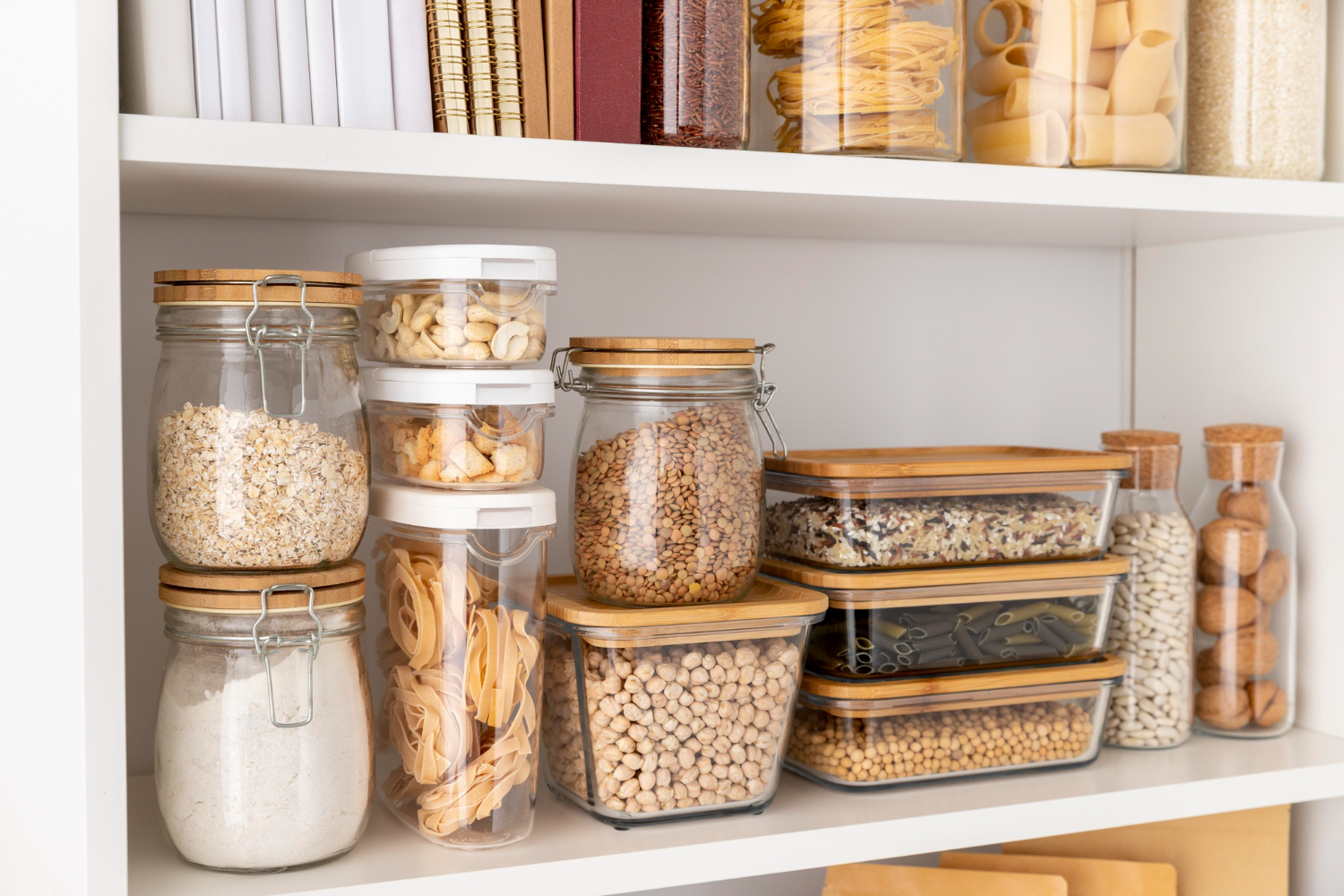
Pantry-first meal planning means checking your existing food before deciding what to buy.
Your pantry is the obvious place to start, but the idea applies to your whole kitchen.
Look at:
- Dry goods
- Canned foods
- Spices and seasonings
- Pasta and rice
- Frozen foods
- Refrigerated ingredients
- Leftovers
- Foods that need to be used soon
You aren’t trying to create meals entirely from whatever happens to be sitting in your kitchen.
You’re simply using what you already own as the starting point.
Why It Can Save Money
The biggest benefit is pretty straightforward: you buy fewer unnecessary groceries.
If you already have pasta, canned tomatoes, and ground beef in the freezer, you don’t need to buy ingredients for an entirely different dinner just because you’re planning the week.
You can use those foods first.
That means fewer duplicate purchases and less food sitting around unused.
It also reduces the number of times you walk into a grocery store with a vague list and leave with another $20 worth of things you didn’t plan to buy.
Start With a Pantry Inventory
You don’t need to create a spreadsheet containing every can in your kitchen.
A quick inventory is enough.
Look for ingredients that could form the basis of a meal.
For example:
Pantry
- Rice
- Pasta
- Black beans
- Canned tomatoes
- Chicken broth
- Peanut butter
Freezer
- Chicken
- Frozen vegetables
- Bread
Refrigerator
- Eggs
- Cheese
- Spinach
That’s already enough to start thinking about meals.
Find the Ingredients With the Most Uses
Some pantry foods are more flexible than others.
Rice can become a side dish, fried rice, a rice bowl, or part of a casserole.
Beans can become tacos, chili, soup, or rice and beans.
Pasta can be combined with tomato sauce, vegetables, meat, cheese, or leftover chicken.
When planning, start with ingredients that can go in several directions.
That gives you more options and makes it easier to use what you already have.
Check What Needs to Be Used First
The pantry-first approach isn’t just about dry goods.
Your refrigerator may actually have the most urgent ingredients.
Maybe you have:
- Vegetables that are starting to wilt
- Fresh herbs
- Leftover chicken
- An open container of sour cream
- Fresh fruit
- A package of cheese that’s been sitting around
Those foods should influence your meal plan before the canned goods that can sit safely for months.
Think of your kitchen inventory in terms of priority.
Use soon: fresh and perishable foods
Use regularly: opened or frequently purchased foods
Use eventually: shelf-stable pantry staples
This simple distinction can help reduce waste.
Build Meals Around What You Find
Once you know what you have, start connecting ingredients.
Suppose you find rice, black beans, frozen peppers, cheese, tortillas, and salsa.
You could make rice and beans one night.
Use the beans, cheese, and tortillas for quesadillas another night.
Turn the rice, peppers, and remaining ingredients into bowls later in the week.
You’re not necessarily following a specific recipe.
You’re building meals from ingredients that already belong together.
Don’t Try to Use Everything at Once
A pantry-first approach doesn’t mean forcing every random ingredient into the same dinner.
If you have pasta, canned tomatoes, peanut butter, frozen broccoli, and a jar of pickles, you don’t need to figure out how to combine them.
Pick the ingredients that naturally work together.
The rest can wait.
The goal is to use what makes sense, not to create strange meals just to empty your pantry.
Plan Around One or Two Main Ingredients
If your pantry is overwhelming, simplify the process.
Choose one or two foods that need attention.
Maybe it’s a package of frozen chicken and a bag of rice.
Now build several meals around them.
Chicken and rice can become:
- A simple dinner with vegetables
- Burrito bowls
- Fried rice
- Chicken soup
- Wraps
You don’t have to use every ingredient in your kitchen every week.
You just need to consistently use some of what you already have.
Keep Grocery Shopping Focused on the Gaps
After planning your meals around existing food, your grocery list should become much shorter.
Maybe you already have the rice, chicken, pasta, beans, and vegetables.
You only need to buy milk, fruit, tortillas, and one or two fresh ingredients.
This is where the savings happen.
You’re not trying to avoid grocery shopping altogether.
You’re buying the things that complete the meals you’ve planned.
Use a “Shop Your Kitchen First” Rule
Before every grocery trip, take a few minutes to shop your own kitchen.
Open the pantry.
Check the freezer.
Look through the refrigerator.
Ask yourself what you would normally put on your grocery list that you already have.
You may be surprised by how often the answer is something you were about to buy again.
This habit also helps you become more aware of what you actually keep in your home.
Plan Meals Around Pantry Staples
Certain pantry staples make it easy to build inexpensive meals.
Rice
Rice works with beans, chicken, vegetables, eggs, sauces, and leftovers.
Pasta
Pasta can be combined with tomato sauce, vegetables, meat, cheese, or leftover ingredients.
Beans
Beans can add protein and bulk to tacos, soups, chili, bowls, and casseroles.
Canned Tomatoes
Canned tomatoes can become pasta sauce, soup, chili, or part of a skillet meal.
Potatoes
Potatoes can become baked potatoes, hash, roasted potatoes, soup, or a filling for other meals.
The best staples are the ones you already know your household will eat.
Don’t Forget the Freezer
A pantry-first approach should include your freezer.
Freezers have a way of becoming storage for food that everyone forgets about.
Every week or two, look through it.
Maybe there’s a package of chicken you bought on sale.
Maybe there’s a container of chili.
Maybe there are frozen vegetables that have been sitting there for months.
Use some of them.
If you continue buying new food without rotating through the freezer, you can end up with plenty of food but very little idea what you actually have.
Use Leftovers as Pantry Ingredients
Leftovers are another form of inventory.
If you have leftover taco meat, don’t treat it as a meal that must either be reheated or thrown away.
Think of it as an ingredient.
It can go into quesadillas, nachos, rice bowls, eggs, or chili.
Leftover chicken can become sandwiches, soup, tacos, or pasta.
Leftover vegetables can become an omelet, stir-fry, or pasta dish.
This mindset can make your existing food much more useful.
Make One Pantry Meal Every Week
You don’t have to eat pantry meals every night.
Try choosing one night each week to cook primarily from what you already have.
It could be:
- Pasta with whatever vegetables need to be used
- Rice and beans
- Soup
- Fried rice
- Baked potatoes with toppings
- A simple casserole
- Omelets with leftover vegetables
This creates a regular opportunity to reduce the amount of food sitting in your kitchen.
Be Careful With Bulk Buying
Buying larger packages can lower the cost per serving, but only if you actually use them.
If your pantry already contains five pounds of rice, buying another ten-pound bag because it’s on sale isn’t necessarily helping.
Before buying something in bulk, ask:
Do we use this regularly?
Do we have enough storage space?
Will we actually finish it?
Would buying less now make more sense?
A pantry-first system works best when you know what you already have.
Don’t Buy Ingredients for Your “Ideal Self”
This is especially important with pantry shopping.
It’s easy to buy ingredients because you imagine yourself using them.
You buy specialty grains because you’re going to start making healthy bowls every week.
You buy unusual ingredients because you’re finally going to learn how to cook that complicated recipe.
Then the ingredients sit there.
Buy food for the household you actually have.
If you regularly eat rice, pasta, beans, potatoes, and chicken, build your budget around those foods.
You can experiment, but you don’t need a pantry full of aspirational groceries.
Keep Your Pantry Easy to See
You don’t need a perfectly organized pantry.
But if you can’t see what you own, you’re much more likely to buy duplicates.
Try keeping frequently used items visible.
Group similar foods together when possible.
Put older items toward the front.
If something gets pushed to the back and forgotten, it doesn’t matter how inexpensive it was.
You still aren’t getting any value from it.
Use a Simple Rotation System
When you buy new pantry items, try to use older ones first.
If you already have one box of pasta, put the new box behind it.
If there are older canned goods that you know you’ll use soon, keep them easy to reach.
This doesn’t need to be complicated.
You’re simply making older food more visible so it has a better chance of getting used.
Don’t Ignore Small Ingredients
Sometimes the ingredients that need the most attention aren’t the main parts of a meal.
Maybe you have half a jar of pasta sauce.
A small amount of cheese.
A nearly empty container of sour cream.
A handful of vegetables.
Those ingredients may not make a meal by themselves, but they can finish one.
Use them as additions rather than expecting them to be the star of dinner.
Plan a Flexible Week
One advantage of pantry-first meal planning is that it doesn’t require a rigid schedule.
You can plan a few meals and leave one or two nights flexible.
For example:
Monday: Pasta using pantry staples
Tuesday: Chicken and rice
Wednesday: Leftovers
Thursday: Tacos using beans and leftover chicken
Friday: Pantry clean-out meal
This gives you room to adjust based on what you actually have left.
A Simple Pantry-First Example
Imagine your kitchen already contains:
- Rice
- Pasta
- Black beans
- Canned tomatoes
- Frozen chicken
- Frozen vegetables
- Eggs
- Cheese
- Tortillas
You don’t need to start with a grocery list.
You can start with those ingredients.
You might make:
Monday: Chicken, rice, and vegetables
Tuesday: Bean and cheese quesadillas
Wednesday: Pasta with tomatoes and vegetables
Thursday: Chicken fried rice
Friday: Eggs and leftover vegetables with potatoes or tortillas
Your grocery trip might only need to cover fresh produce, milk, and a few other basics.
The pantry did most of the work.
When You Do Shop, Shop With a Purpose
The pantry-first approach isn’t about never buying groceries.
It’s about making every shopping trip more intentional.
Once you’ve planned around what you have, identify what’s missing.
Maybe you need fresh fruit.
Maybe you need more vegetables.
Maybe you need milk or bread.
Maybe you need one ingredient to complete a meal.
Write those items down.
Then stick to the list as much as possible.
Give Yourself a Pantry Reset
Every few months, take a more thorough look at your pantry and freezer.
Check what has accumulated.
Look for foods you haven’t used.
Notice what you keep buying but rarely eat.
You may discover that you’re spending money on ingredients that don’t fit your normal eating habits.
That information is useful.
Your grocery budget should reflect what you actually eat, not what you think you should be eating.
The Pantry Can Be Part of Your Grocery Budget
A grocery budget isn’t just about how much you spend at the store this week.
It’s also about getting value from the food you already purchased.
If your pantry and freezer are full, but you’re still buying everything you need for brand-new meals every week, you’re missing an opportunity.
Start with what you have.
Use what needs attention.
Build meals around versatile staples.
Then buy the gaps.
A pantry-first approach turns your kitchen into part of your meal plan. Instead of constantly buying more food and figuring out what to do with it later, you use what you’ve already paid for and let your grocery list fill in the blanks.