
A grocery budget can look perfectly reasonable on paper and still fall apart in the kitchen.
You buy the food you need, put everything away, and start the week with good intentions. Then a few days later, there’s a container of leftovers in the fridge, vegetables starting to wilt, fruit nobody has touched, and an ingredient you bought for one recipe that is about to expire.
That food is still part of your grocery budget. If it gets thrown away, you’re essentially throwing away part of the money you spent.
One simple way to prevent this is to plan meals around the foods that need to be used first.
Instead of starting your meal plan with whatever sounds good, start by looking at what’s already in your kitchen and deciding what needs your attention.
Start With a “Use First” Check
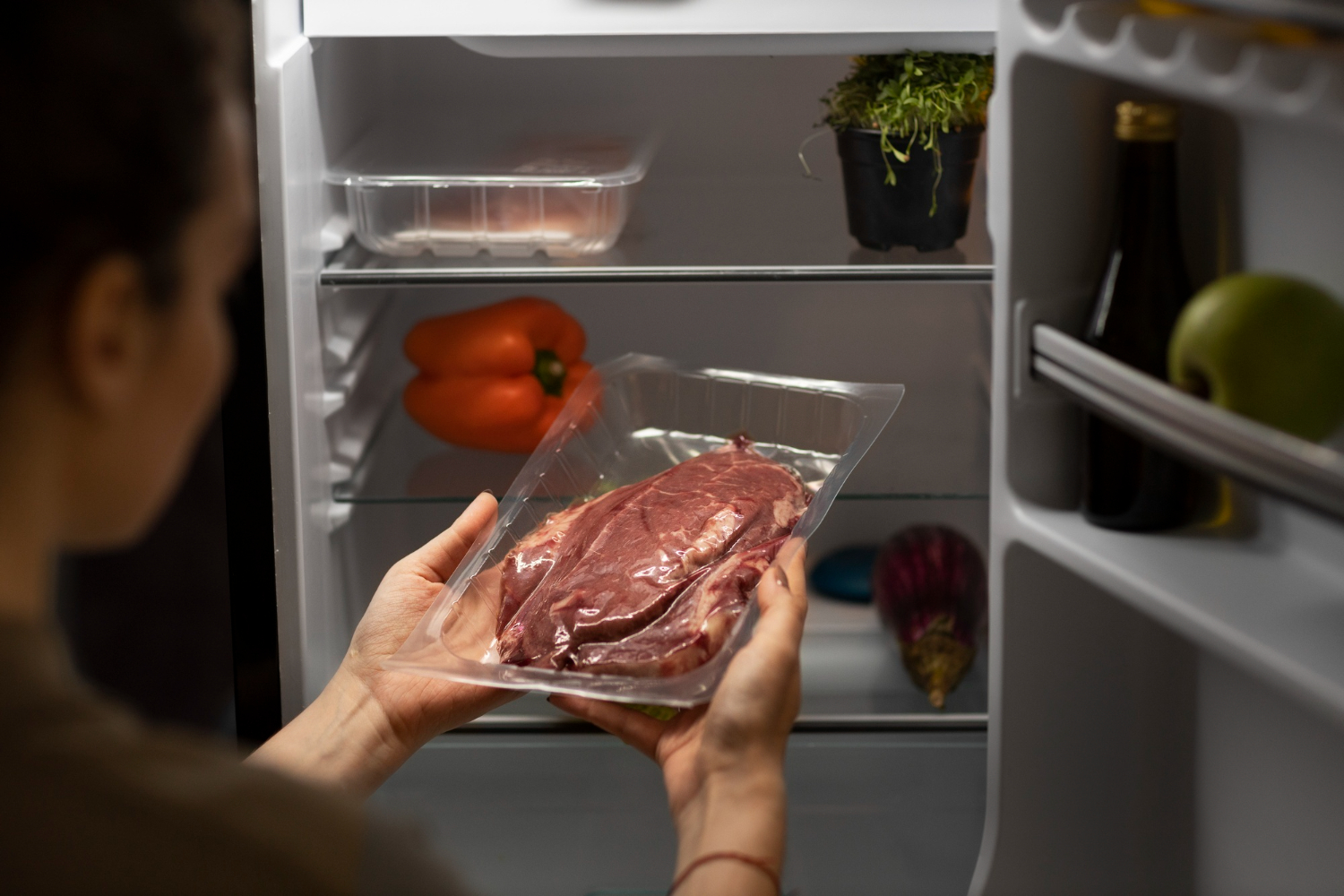
Before making your grocery list, take a quick look through the refrigerator, freezer, and pantry.
You’re looking for foods that are:
- Likely to spoil soon
- Already opened
- Left over from another meal
- Near their use-by or best-by date
- Starting to lose quality
- Easy to forget about
You don’t need to inspect every item in your kitchen.
Just identify the foods that should be used sooner rather than later.
A half-used package of spinach might need attention this week. A can of beans probably doesn’t.
That distinction makes meal planning much easier.
Start With the Refrigerator
The refrigerator is usually the best place to begin because many foods stored there have a limited shelf life.
Check for things like:
- Fresh berries
- Leafy greens
- Fresh herbs
- Cut vegetables
- Opened dairy products
- Leftover meat
- Cooked vegetables
- Opened containers
- Fresh foods that are starting to look less than perfect
Make a short list.
You might end up with something as simple as:
Use first:
- Chicken from Monday’s dinner
- Spinach
- Bell peppers
- Half a container of sour cream
- Strawberries
Now you have the beginning of your meal plan.
Look at Your Leftovers
Leftovers should get special attention.
If you have a container of cooked chicken sitting in the refrigerator, don’t plan another dinner that leaves it untouched.
Find a way to use it.
Leftover chicken could become tacos, sandwiches, soup, pasta, or a rice bowl.
The same applies to leftover rice, vegetables, potatoes, pasta, and other cooked foods.
You already paid for them.
You already spent the time cooking them.
Using them again is one of the easiest ways to get more value from your grocery budget.
Give the Most Perishable Foods Priority
Not every food needs to be used immediately.
Fresh berries usually deserve more attention than potatoes.
Fresh herbs may need to be used before canned tomatoes.
A cooked meal may need to be eaten sooner than a package of dry pasta.
Think about what is most likely to become unusable first.
That should influence your meal order.
For example, if you have fresh spinach and a bag of frozen broccoli, you might plan the spinach earlier in the week and save the broccoli for later.
You’re not necessarily eating based on what sounds best.
You’re eating based on what needs to be used.
Build Meals Around One “Use First” Ingredient
You don’t have to create a complicated recipe using every ingredient that’s about to expire.
Start with one.
If you have spinach that needs to be used, think about meals where spinach fits naturally.
It could go into:
- Omelets
- Pasta
- Soup
- Sandwiches
- Salads
- Rice bowls
If you have bell peppers, they could go into fajitas, eggs, pasta, stir-fry, or tacos.
One ingredient can lead you to several possible meals.
Combine Foods That Need to Be Used
Sometimes you have several ingredients that need attention at the same time.
That’s when a flexible meal can help.
A stir-fry can use leftover chicken, vegetables, and rice.
A soup can use cooked meat, vegetables, beans, and broth.
An omelet can use eggs, vegetables, cheese, and leftover meat.
A pasta dish can bring together several small amounts of food.
You don’t need every ingredient to have been purchased specifically for that meal.
In fact, that’s the whole point.
Don’t Buy More Until You Check What You Have
It’s easy to buy another package of something because you forgot you already had it.
Before shopping, check your refrigerator and pantry.
You may discover that you already have enough ingredients to cover several meals.
This is especially important with foods that you regularly buy.
If you already have two packages of pasta, there’s probably no reason to buy another one this week.
If you have plenty of frozen vegetables, use those before stocking up again.
Plan the Most Perishable Foods Earlier in the Week
A simple strategy is to put foods that need to be used soon toward the beginning of your meal plan.
For example:
Monday: Fresh chicken with spinach
Tuesday: Pasta with leftover vegetables
Wednesday: Chicken tacos using leftovers
Thursday: Rice and frozen vegetables
Friday: Something from the freezer or pantry
This isn’t a strict rule.
It’s simply a way to avoid reaching Friday with a refrigerator full of food that should have been eaten Monday.
Don’t Forget About Fruit
Fruit can be easy to overlook because it’s often considered a snack rather than part of meal planning.
But if you have bananas, berries, peaches, or other fresh fruit that needs to be eaten, work it into the week.
Fruit can become:
- Breakfast
- Snacks
- Smoothies
- Oatmeal toppings
- Yogurt bowls
- Desserts
You don’t need a special recipe.
You just need a plan for using it.
Use Ingredients Before They Become a Problem
There’s a big difference between noticing that food is about to spoil and waiting until it actually does.
If lettuce is starting to wilt, use it now.
If bananas are getting very ripe, use them in smoothies or baking.
If vegetables are starting to soften, cook them.
If you know you’re not going to use something soon, freezing may be an option if the food is suitable for freezing.
The earlier you notice the problem, the more options you have.
Don’t Shop for Your Ideal Week
This is a common mistake.
You plan a week full of healthy, ambitious meals based on what you wish your schedule looked like.
Then reality happens.
You’re tired.
You work late.
Plans change.
And the food you bought for those meals sits untouched.
When planning around ingredients that need to be used first, be realistic.
If Wednesday is always chaotic, don’t plan an elaborate dinner that requires an hour of cooking.
Use something simple.
A good meal plan has to fit your actual life.
Plan One “Clean-Out” Meal
It can help to have one flexible meal near the end of the week where you use whatever is left.
This could be:
- Fried rice
- Soup
- Pasta
- Pizza
- Tacos
- Quesadillas
- Omelets
- Grain bowls
The exact meal doesn’t matter.
The idea is to create a regular opportunity to use small amounts of leftover food before your next grocery trip.
Frozen Foods Count, Too
Don’t focus only on the refrigerator.
Your freezer can hide a surprising amount of food.
Take a quick look at what’s in there.
Maybe you’ve got:
- Frozen chicken
- Vegetables
- Bread
- Leftover meals
- Ground meat
- Frozen fruit
Choose one or two freezer items to use during the week.
This prevents food from getting forgotten for months and keeps you from buying something you already have.
Don’t Let the Pantry Become a Black Hole
Pantry foods don’t spoil as quickly, but they can still get forgotten.
If you have several cans of beans, a package of pasta, and a few cans of tomatoes, build a meal around them occasionally.
This is especially useful when you’re trying to have a lower-spending grocery week.
A pantry meal can give you a break from buying more food while also helping you rotate through what you already own.
Use a “First In, First Out” Habit
Restaurants and other food businesses often use a simple idea: use older inventory before newer inventory.
You can do the same at home.
When you buy something new, put it behind the older item when practical.
Move older foods toward the front of the refrigerator or pantry.
That way, you’re more likely to see them.
You don’t need a complicated organizational system.
You just want older food to remain visible.
Don’t Let a Recipe Dictate Your Grocery List
Recipes are useful, but they shouldn’t always be in charge.
If a recipe calls for an ingredient you don’t have, look at whether something you already own can work instead.
If you have spinach but the recipe calls for kale, maybe spinach is perfectly fine.
If you have chicken but the recipe calls for another protein, see whether chicken works.
You don’t have to follow every recipe exactly.
Adapting recipes around what you already have can save money and prevent waste.
Know When to Let Something Go
Using food before it spoils doesn’t mean eating food that is unsafe.
If something smells bad, shows signs of spoilage, or has been stored improperly, don’t try to rescue it just because you don’t want to waste money.
The money has already been spent.
Throwing out spoiled food isn’t a failure.
The goal is to get better at planning so that less food reaches that point in the first place.
When in doubt about whether a food is safe, follow reliable food-safety guidance rather than guessing.
Make Your Grocery List After Your Meal Plan
Once you’ve figured out what needs to be used, plan your meals.
Then make your grocery list.
This order matters.
If you make the shopping list first, you’re more likely to buy things you already have.
If you plan around your existing food first, your shopping list becomes a list of gaps.
Maybe you only need milk, fruit, bread, and one protein.
That’s much easier on the grocery budget than starting from scratch.
A Simple Example
Imagine you check your refrigerator before shopping and find:
- Leftover cooked chicken
- Spinach
- Two bell peppers
- Half a container of cheese
- Yogurt
- A few potatoes
You also have rice, pasta, eggs, and beans in the pantry.
Instead of buying ingredients for five new dinners, you could build a week around what you already have.
Monday: Chicken, roasted potatoes, and spinach
Tuesday: Chicken and pepper quesadillas with cheese
Wednesday: Pasta with spinach and leftover chicken
Thursday: Rice and beans with peppers
Friday: Omelets with the remaining vegetables and cheese
The grocery list might only need a few fresh items to fill in the gaps.
That’s the power of planning around what needs to be used first.
Make This a Weekly Habit
You don’t need to spend an hour inspecting your kitchen.
Give yourself 10 minutes before your regular grocery trip.
Ask:
What needs to be eaten first?
What leftovers do we have?
What fresh foods won’t last another week?
What can I freeze?
What meals can I make from these ingredients?
Then build your grocery list around the answers.
After a while, you’ll start doing this automatically.
Your Grocery Budget Includes Food You Already Bought
It’s easy to think of your grocery budget as the money you’re about to spend at the store.
But the food already sitting in your kitchen is part of that budget too.
If you bought $30 worth of groceries last week and throw $10 of them away, you effectively lost part of that spending.
Using what you have is just as important as finding a good price on what you buy next.
Planning around ingredients that need to be used first helps connect those two parts of your budget.
Before asking what you should buy this week, ask what you need to eat this week. The answer is often already sitting in your refrigerator.