
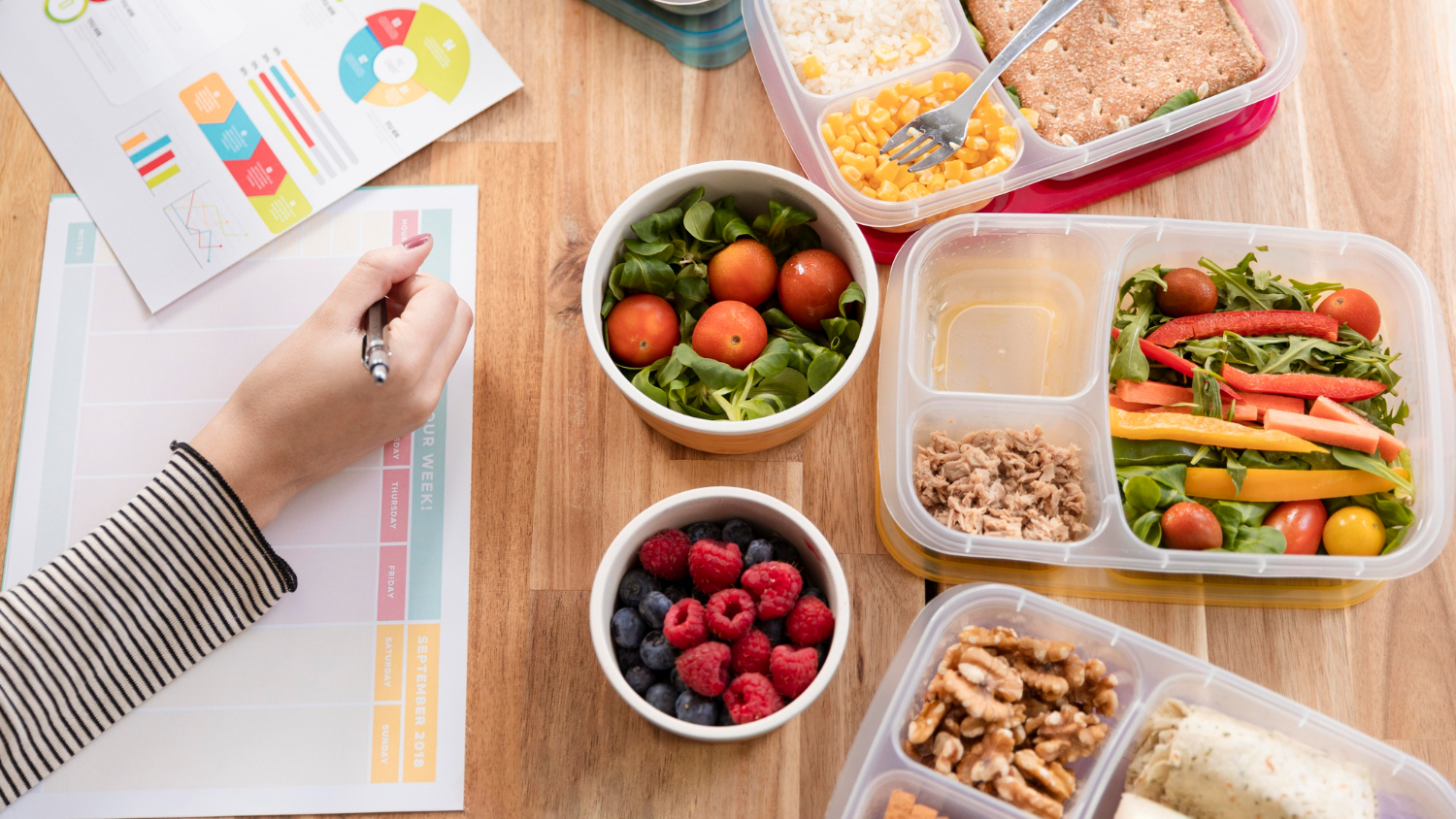
Planning a week’s worth of meals doesn’t always mean starting with a blank grocery list.
In fact, one of the easiest ways to spend less on groceries is to do the opposite: start with the food already sitting in your kitchen.
That half-used bag of rice, the chicken in the freezer, the vegetables that need to be used soon, and the cans sitting in the pantry can become the foundation for an entire week of meals.
You just have to figure out what you have before deciding what to buy.
Start With a Quick Kitchen Inventory
Before planning anything, check your refrigerator, freezer, and pantry.
You don’t need to write down every single item.
Look for foods that could actually become part of a meal.
Make a quick list of things such as:
- Meat, chicken, or other proteins
- Eggs and dairy
- Fresh vegetables
- Frozen vegetables
- Fruit
- Rice, pasta, and other grains
- Bread and tortillas
- Canned foods
- Sauces and condiments
- Leftovers
- Foods that need to be used soon
Don’t worry about organizing everything perfectly.
You’re simply trying to answer one question:
What food do I already have that I can use this week?
Use the Foods That Will Go Bad First
Not everything in your kitchen has the same priority.
A can of beans can wait.
The container of strawberries that is already getting soft probably can’t.
When you’re planning your meals, start with foods that have a short shelf life.
Check your refrigerator for produce, dairy, leftovers, and other foods that need to be eaten soon.
This does two things at once.
It saves money because you’re using food you already paid for, and it reduces the amount of food you eventually have to throw away.
Don’t Start With Recipes
Recipes can actually make meal planning more complicated than it needs to be.
You find a recipe you like, check the ingredients, and suddenly you need twelve things you don’t have.
Instead, start with your ingredients.
If you have chicken, rice, peppers, onions, and a few sauces, ask yourself what meals you can make from those ingredients.
You might have enough to make chicken and rice bowls, tacos, stir-fry, or a simple skillet meal.
The ingredients come first.
The recipe comes second.
Pick a Few Main Ingredients
Choose three or four foods that you have enough of to build meals around.
For example, you might have:
- A package of chicken
- A dozen eggs
- A bag of rice
- Several potatoes
- Frozen vegetables
Those ingredients can become the foundation of your week.
You don’t need a completely different main ingredient every night.
Using the same basic foods in different ways can make your groceries stretch much further.
Turn One Ingredient Into Several Meals
This is where planning around what you already have really starts to save money.
Suppose you have a large package of chicken.
Instead of thinking, “We’re having chicken for dinner three nights,” think about how you can change it up.
You could make:
- Chicken with rice and vegetables
- Chicken tacos
- Chicken sandwiches
- Chicken soup
- Chicken bowls
The same basic ingredient can feel like several different meals when you change the seasonings, sauces, or sides.
This also makes buying larger packages more practical.
Plan Around Leftovers
Leftovers shouldn’t be an accident.
They can be part of your meal plan.
If you make a large dinner on Monday, decide before you cook what will happen to the leftovers.
Maybe they’ll become Tuesday’s lunch.
Maybe you’ll use them in a completely different dinner later in the week.
For example, leftover taco meat can become nachos or a rice bowl.
Roasted vegetables can go into eggs, pasta, or a sandwich.
Cooked chicken can be used in soup, wraps, or salads.
Once you start thinking of leftovers as ingredients rather than unfinished meals, it’s much easier to use what you have.
Give Yourself a Flexible Meal Night
Don’t plan seven complicated dinners.
Leave at least one night open.
Call it a leftovers night, clean-out-the-fridge night, or whatever works for your household.
The idea is simple: use whatever is left before buying more food.
You might discover you have enough ingredients for an unexpected meal.
You might eat leftovers.
Or you might make something extremely simple.
That’s fine.
A flexible night gives you some breathing room and can prevent perfectly good food from being forgotten in the refrigerator.
Look for Ingredient Overlap
When you do need to buy a few things, choose ingredients that work across multiple meals.
For example, if you’re buying spinach, use it in omelets, pasta, sandwiches, and salads.
If you’re buying tortillas, use them for tacos, wraps, and quesadillas.
If you’re buying cilantro for one recipe, find another meal where you can use the rest.
This keeps your grocery list shorter and reduces the number of ingredients sitting around waiting for one specific recipe.
Don’t Buy Ingredients for Just One Meal
This isn’t an absolute rule.
Sometimes you really do need a particular ingredient for a particular dish.
But if you’re trying to save money, look for ways to avoid buying something that will be used once and then forgotten.
A recipe that requires an expensive specialty ingredient for one tablespoon may not be the best choice for a budget-conscious week.
Look for substitutions or recipes that use ingredients you already have.
You don’t need to make every meal from scratch just because something is sitting in your pantry.
You just want your existing food to do more of the work.
Use Your Freezer
Your freezer can make this strategy much easier.
Before going grocery shopping, take a look at what’s hiding in there.
You may have:
- Frozen meat
- Vegetables
- Bread
- Leftovers
- Frozen fruit
- Prepared ingredients
Sometimes the freezer gets treated like long-term storage rather than part of the meal plan.
Don’t let food disappear into the back of it.
Make a habit of choosing at least one or two freezer items each week and building meals around them.
Check the Pantry for Meal Starters
Pantry staples can become the base of surprisingly many meals.
Rice can become a bowl, side dish, fried rice, or casserole.
Pasta can become a quick dinner with vegetables, meat, or a simple sauce.
Canned beans can go into tacos, soup, chili, or rice bowls.
Canned tomatoes can become pasta sauce, soup, or part of a stew.
Before deciding that you have “nothing to eat,” look at what you can combine.
You may have more meal options than you think.
Keep Breakfast and Lunch Simple
You don’t need seven completely different breakfasts and lunches.
In fact, repeating meals can make your grocery budget easier to manage.
If you already have eggs, oatmeal, yogurt, fruit, bread, and peanut butter, you probably have plenty of options without buying something new for every morning.
Lunch can work the same way.
Leftovers, sandwiches, wraps, salads, and simple bowls can cover most of the week.
Save your creativity for dinner if that’s what you enjoy.
Don’t Shop Before You Make the Plan
One of the easiest ways to overspend is to shop first and plan later.
You see ingredients you like and buy them.
Then you get home and try to figure out what to do with them.
Instead, reverse the process.
Inventory first.
Plan second.
Shop last.
Once you’ve figured out what you already have and what meals you can make, create a short list of the things you’re actually missing.
Your grocery trip becomes a refill rather than a complete restock.
Make a “Use It Up” List
If your kitchen has a lot of odds and ends, make a short list of foods you want to use before buying more.
For example:
Use this week:
- Spinach
- Half a container of sour cream
- Two bell peppers
- Leftover chicken
- Opened pasta sauce
Then build meals around those ingredients.
This is particularly helpful if you notice that certain foods regularly get thrown away.
You’re creating a reminder to use them while they’re still good.
Don’t Force Every Ingredient Into a Meal
There is a difference between using what you have and making every meal weird just to avoid buying groceries.
If you have a random jar of sauce that nobody likes, you don’t have to build your entire week around it.
If an ingredient is expired or clearly isn’t going to be eaten, throwing it away may be better than forcing yourself to eat something you don’t enjoy.
The goal is to reduce waste—not turn dinner into a punishment.
Make a Short Grocery List
Once you’ve planned the meals, your grocery list should be relatively small.
You might only need:
- A few fresh vegetables
- Fruit
- Milk
- Bread
- One protein
- One or two ingredients for a specific meal
That’s the benefit of shopping around what you already have.
You’re filling the gaps rather than buying everything from scratch.
A shorter list also makes it easier to stick to your budget.
Don’t Be Afraid of Repeating Ingredients
Some people think meal planning means eating something different every night.
It doesn’t.
If you have rice, use it several times.
If you have chicken, use it more than once.
If you bought a large bag of carrots, find several ways to eat them.
The trick is to change the meal rather than constantly changing the ingredients.
That’s how restaurants and experienced home cooks make ingredients stretch.
Here’s What a Simple Week Could Look Like
Imagine you already have chicken, rice, eggs, potatoes, frozen vegetables, tortillas, cheese, and a few pantry staples.
Instead of buying ingredients for seven completely different meals, you could build a week around what you have.
Monday: Chicken, rice, and vegetables
Tuesday: Chicken tacos with cheese and vegetables
Wednesday: Baked potatoes with leftover chicken and toppings
Thursday: Fried rice with eggs and vegetables
Friday: Quesadillas using the tortillas, cheese, and remaining chicken
Saturday: Leftovers or a clean-out-the-fridge meal
Sunday: Something simple using whatever needs to be used before the next grocery trip
You might only need to buy a few fresh ingredients to complete the week.
That’s the idea.
Keep a Little Room for Change
Even the best meal plan can fall apart.
Maybe you’re too tired to cook.
Maybe someone invites you over for dinner.
Maybe you end up with more leftovers than expected.
Don’t throw the entire plan away because one meal changes.
Move things around.
Dinner planned for Tuesday can happen Wednesday.
The chicken you planned for Thursday can become Friday’s lunch.
A flexible plan is much easier to stick to than one that assumes every day will go exactly as expected.
The Goal Is to Shop Less, Not Eat Less
Planning around what you already have doesn’t mean starving yourself or eating tiny portions.
It means making better use of the food you’ve already purchased.
You’re looking at your kitchen and asking:
“What can I make from this?”
before asking:
“What else should I buy?”
That small change in thinking can make a noticeable difference in your grocery spending.
Make It a Weekly Habit
You don’t have to spend hours meal planning every Sunday.
Give yourself 10 or 15 minutes.
Check the refrigerator.
Look in the freezer.
Scan the pantry.
Find the foods that need to be used.
Pick a few meals.
Then write down what you’re missing.
After doing this for a few weeks, you’ll probably get much faster at it.
You’ll also start recognizing which foods your household actually uses and which ones tend to sit around.
Your Kitchen Is Already Part of Your Grocery Budget
The food sitting in your pantry, refrigerator, and freezer is money you’ve already spent.
Ignoring it and buying more doesn’t make sense.
Before your next grocery trip, take a look around and see what you can turn into meals.
Use the foods that need to be eaten first. Build several meals around the same ingredients. Plan for leftovers. Keep one night flexible. Then buy only what you’re missing.
You may find that you don’t need a huge grocery haul after all.
Sometimes the easiest way to spend less on groceries isn’t finding cheaper food. It’s finally using the food you already paid for.