
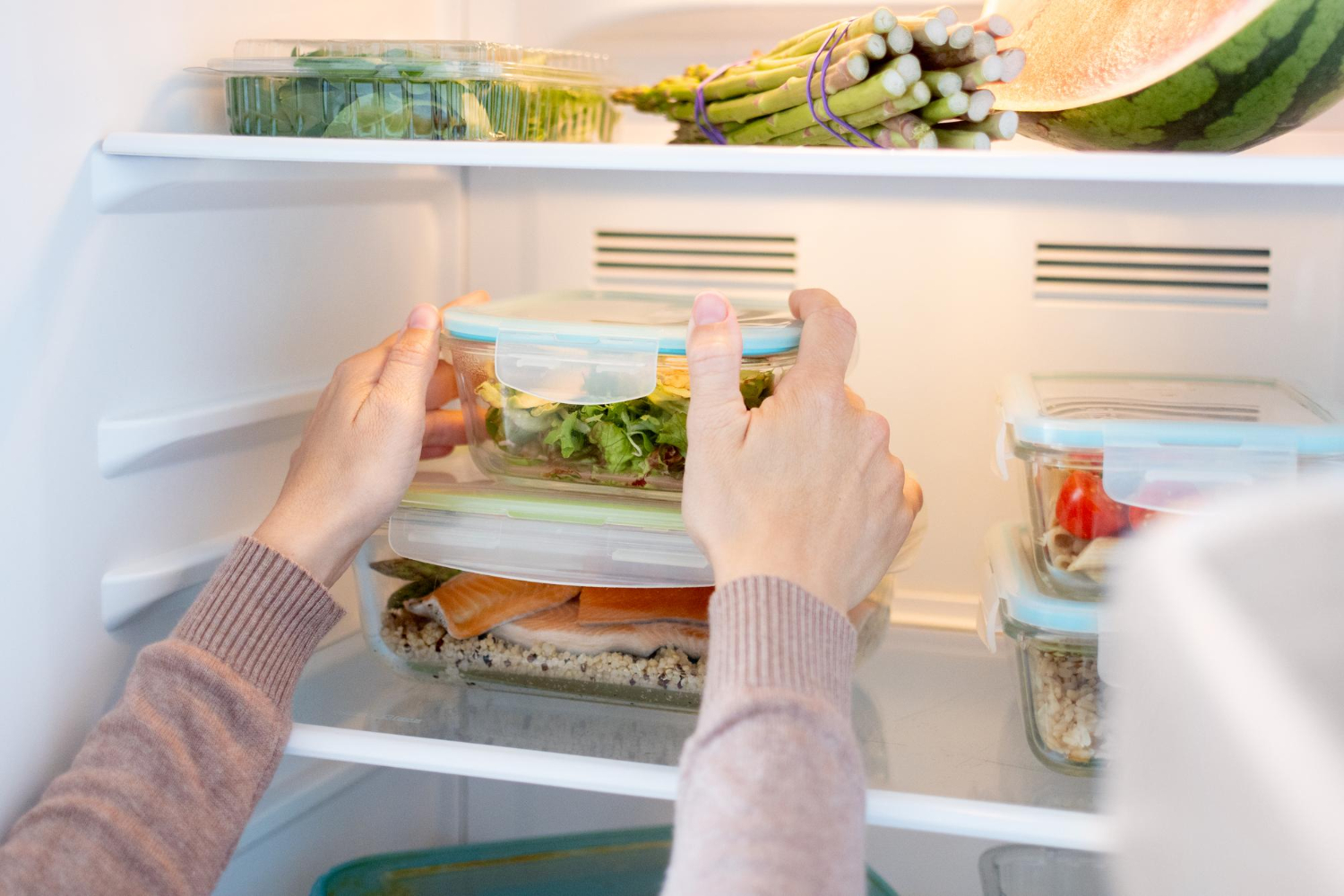
Freezer meal prep doesn’t have to mean spending an entire Sunday cooking dozens of meals and filling your freezer with identical containers.
At its simplest, freezer meal prep means preparing food ahead of time and saving it for later.
That might mean freezing a batch of chili, portioning leftover chicken, preparing breakfast burritos, or simply freezing ingredients before they go bad.
The biggest benefit is convenience. When you already have something ready to eat, you’re less likely to order takeout because there’s nothing in the house or make an extra trip to the grocery store for a last-minute dinner.
And when you’re trying to stick to a grocery budget, that convenience can be worth a lot.
Why Freezer Meal Prep Can Save Money
The basic idea is simple: use your groceries when you have them instead of buying more food when you’re short on time.
Take a busy Wednesday night.
You could get home, realize you don’t have the energy to cook, and order dinner.
Or you could pull a homemade meal from the freezer, heat it up, and be done.
The food in the freezer isn’t free, of course. You already paid for the ingredients.
But you’ve turned groceries you bought earlier into a convenient meal that’s ready when you need it.
That can help prevent the extra spending that comes with takeout, delivery, or an unplanned grocery run.
You Don’t Have to Freeze Complete Meals
A common misconception is that freezer meal prep means preparing an entire dinner in advance.
It doesn’t.
Sometimes freezing individual ingredients is more useful.
You can freeze:
- Cooked chicken
- Ground meat
- Shredded cheese
- Bread
- Tortillas
- Cooked rice, when appropriate
- Soups and stews
- Chopped vegetables
- Fruit for smoothies
- Homemade sauces
- Leftover portions
Having these ingredients available gives you options without requiring you to cook everything from scratch.
Freeze Food Before It Goes to Waste
One of the easiest ways to use your freezer is to save food that you know you won’t finish in time.
Maybe you bought a large package of chicken because it was on sale.
You can portion it and freeze what you won’t use soon.
Maybe you cooked too much chili.
Freeze the extra instead of leaving it in the refrigerator until you’re tired of looking at it.
Maybe you have bread that isn’t getting eaten quickly enough.
Freeze some of it.
The freezer can give your groceries a second chance.
Batch Cooking Doesn’t Have to Mean Eating the Same Thing All Week
You can prepare a large amount of one ingredient without deciding that you’ll eat the same meal five nights in a row.
For example, cook a batch of chicken and freeze portions.
Later, that chicken can become tacos, sandwiches, soup, pasta, or rice bowls.
Do the same with ground meat, beans, or other foods your household uses regularly.
You’re preparing ahead without locking yourself into one recipe.
Make Your Freezer Work for Your Schedule
The best freezer meals aren’t necessarily the most impressive ones.
They’re the foods you actually want to eat when you’re tired.
If Tuesday evenings are always hectic, keep a few easy meals available for those nights.
If you regularly need quick lunches, freeze individual portions that are easy to grab.
If weekends are when you cook, use that time to prepare food for the busiest days ahead.
Freezer prep works best when it matches your actual schedule.
Freeze Individual Portions
Portioning food before freezing can make it much easier to use.
Instead of freezing one enormous container of soup, divide it into portions that make sense for your household.
That way, you can take out exactly what you need.
This is especially useful for lunches or nights when only one or two people need a meal.
It also helps prevent unnecessary waste from reheating more food than you can eat.
Use Freezer Meals to Create a Takeout Backup
You don’t have to eliminate takeout entirely.
Instead, create a backup plan.
Keep a few homemade meals in the freezer for nights when you’re tempted to order food simply because cooking feels like too much work.
Maybe it’s homemade burritos.
Maybe it’s soup and bread.
Maybe it’s a portion of pasta sauce you can quickly combine with pasta.
Maybe it’s frozen homemade pizza.
The specific food doesn’t matter.
What matters is having something convenient enough to compete with takeout.
Make Your Own Convenience Foods
A lot of the appeal of takeout comes down to convenience.
Someone else has already prepared the food.
You don’t have to chop anything.
You don’t have to clean much.
You just eat.
Freezer meal prep can give you some of that same convenience at home.
You can prepare breakfast sandwiches, burritos, soups, casseroles, or other meals in advance and have them ready when you need them.
You’re essentially creating your own convenience section in the freezer.
Take Advantage of Larger Packages
Buying larger packages can sometimes be cheaper, but only if you can use them.
This is where the freezer can help.
Suppose chicken is sold in a larger package at a price you’re comfortable with.
If your household can’t use it before it spoils, portion the extra and freeze it.
Now you’re not forced to cook all of it immediately.
The same principle can work with meat, bread, certain produce, and other foods that freeze well.
Just make sure you’re comparing the actual price and only buying quantities you can reasonably store and use.
Cook Once, Use Twice
You don’t have to dedicate a whole day to freezer meal prep.
You can simply make a little extra whenever you’re already cooking.
Making chili?
Double the batch and freeze some.
Cooking soup?
Freeze a few portions.
Making shredded chicken?
Prepare extra and save it.
Making breakfast burritos?
Make enough for several mornings.
This approach requires very little additional effort because you’re already doing the cooking.
Freeze Ingredients in Useful Amounts
There’s no point freezing food in a giant block if you’re only going to use a small amount at a time.
Think about how you’ll use it later.
If you usually need a small amount of shredded chicken for lunches, freeze it in smaller portions.
If you make dinner for four, freeze family-sized portions.
If you’re freezing bread, separate it in a way that makes individual pieces easy to use.
The more convenient the frozen food is, the more likely you are to actually use it.
Label What You Freeze
This sounds boring, but it’s important.
Frozen food can become difficult to identify surprisingly quickly.
Label containers with what the food is and, when useful, the date it was frozen.
A simple label like:
Chicken chili — August 2026
is much more helpful than an unmarked container six weeks later.
A freezer full of mystery food isn’t very useful if nobody knows what’s in it.
Keep an Inventory
You don’t need a complicated spreadsheet.
A small list on your refrigerator can be enough.
For example:
Freezer
- 2 portions chicken soup
- 1 container chili
- 4 breakfast burritos
- 2 bags frozen vegetables
- 1 package cooked chicken
When you use something, cross it off.
This also prevents you from buying food you already have.
Don’t Fill Your Freezer With Food You Don’t Like
Freezer meal prep only saves money when the food gets eaten.
If your household doesn’t like something, freezing six portions of it doesn’t solve the problem.
You’ll just have six portions of food taking up freezer space.
Start with meals your household already enjoys.
Once you know what works, experiment with new freezer-friendly meals.
Use the Freezer to Manage Grocery Sales
Sales can be useful when they line up with food you already buy.
If chicken is discounted and you know you’ll use it, buying a reasonable amount and freezing part of it can help spread the purchase across several weeks.
But don’t let a sale convince you to buy something simply because it’s cheaper.
A discounted food you don’t use is still wasted money.
The goal is to combine a good price with a realistic plan for using the food.
Freezer Meal Prep Can Reduce Grocery Runs
Last-minute grocery trips are often expensive.
You may go in for one ingredient and leave with snacks, drinks, and several other things.
Having meals available at home can reduce how often you need to make those emergency trips.
If dinner is already in the freezer, there’s less reason to stop at the store on the way home.
That saves both money and time.
Use Freezer Meals to Handle Busy Weeks
Some weeks are predictable.
You know you’ll be busy with work, appointments, school activities, or other commitments.
Those are good weeks for freezer meals.
Instead of pretending you’ll have time to cook elaborate dinners every night, prepare a few easy options ahead of time.
Even two or three freezer meals can make a busy week much easier.
Don’t Forget Breakfast and Lunch
Freezer prep isn’t just for dinner.
Breakfast can be especially useful.
You can prepare and freeze foods such as breakfast burritos, muffins, or other suitable make-ahead items.
Lunches can also be easier when you have individual portions ready to go.
This can help reduce the temptation to buy lunch because you didn’t have anything convenient at home.
A Simple Freezer Prep Example
Imagine you buy chicken, ground beef, rice, beans, vegetables, tortillas, and cheese during your regular grocery trip.
Instead of immediately turning everything into meals, you could prepare a few components.
Cook some chicken and freeze portions.
Brown some ground beef and freeze part of it.
Make a batch of beans.
Cook extra rice if that’s part of your normal routine.
Now you have several possible future meals.
The chicken can become tacos or bowls.
The beef can become chili or quesadillas.
The beans and rice can become a meal on their own.
You haven’t created a rigid meal plan.
You’ve created options.
Keep the Goal Simple
Freezer meal prep doesn’t need to become another chore that takes over your weekend.
Start with one habit.
Maybe it’s freezing leftovers instead of leaving them in the refrigerator.
Then start cooking extra portions of meals you already make.
After that, you can experiment with preparing specific freezer meals.
The goal is to make your future self’s life easier.
If the system is too complicated, you’re less likely to keep doing it.
The Real Savings Come From Consistency
Freezer meal prep probably won’t transform your grocery bill overnight.
The savings come from repeated small decisions.
You freeze food instead of throwing it away.
You use leftovers instead of buying another dinner.
You eat a homemade meal instead of ordering takeout.
You use food you’ve already purchased instead of making another grocery run.
Do that consistently, and the difference can become meaningful over time.
Don’t Forget Food Safety
Freezing doesn’t make food safe indefinitely, and not every food freezes well.
Cool and store cooked foods properly, use suitable freezer containers, and follow established food-safety guidance for storage and thawing.
When you’re unsure whether something can safely be frozen or how long it should be kept, check a reliable food-safety source rather than guessing.
The point of freezer prep is to save money while keeping meals safe and enjoyable.
Make Your Freezer Part of Your Grocery Strategy
A freezer can be more than a place where forgotten food goes.
Used intentionally, it’s a tool for managing your grocery budget.
You can preserve food before it spoils, make larger grocery purchases more practical, prepare meals before busy weeks, and keep convenient homemade options available when takeout starts looking tempting.
You don’t need a freezer packed with dozens of perfectly labeled meals.
Even a few useful portions can make a difference.
The best freezer meal prep is the kind that makes the cheaper choice easier. When a homemade meal is already waiting in the freezer, saving money doesn’t have to mean cooking from scratch every night.